Card Identification Guide
How do I identify the condition, rarity and set of my cards? Here are the most important features, simply explained.
Identifying Yu-Gi-Oh! cards
Rarities
Yu-Gi-Oh! cards come in different rarity levels, which you can recognise by their shine and texture:
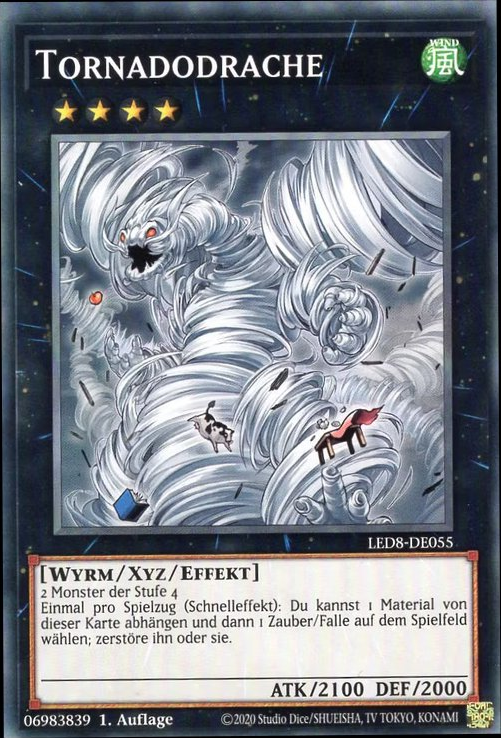
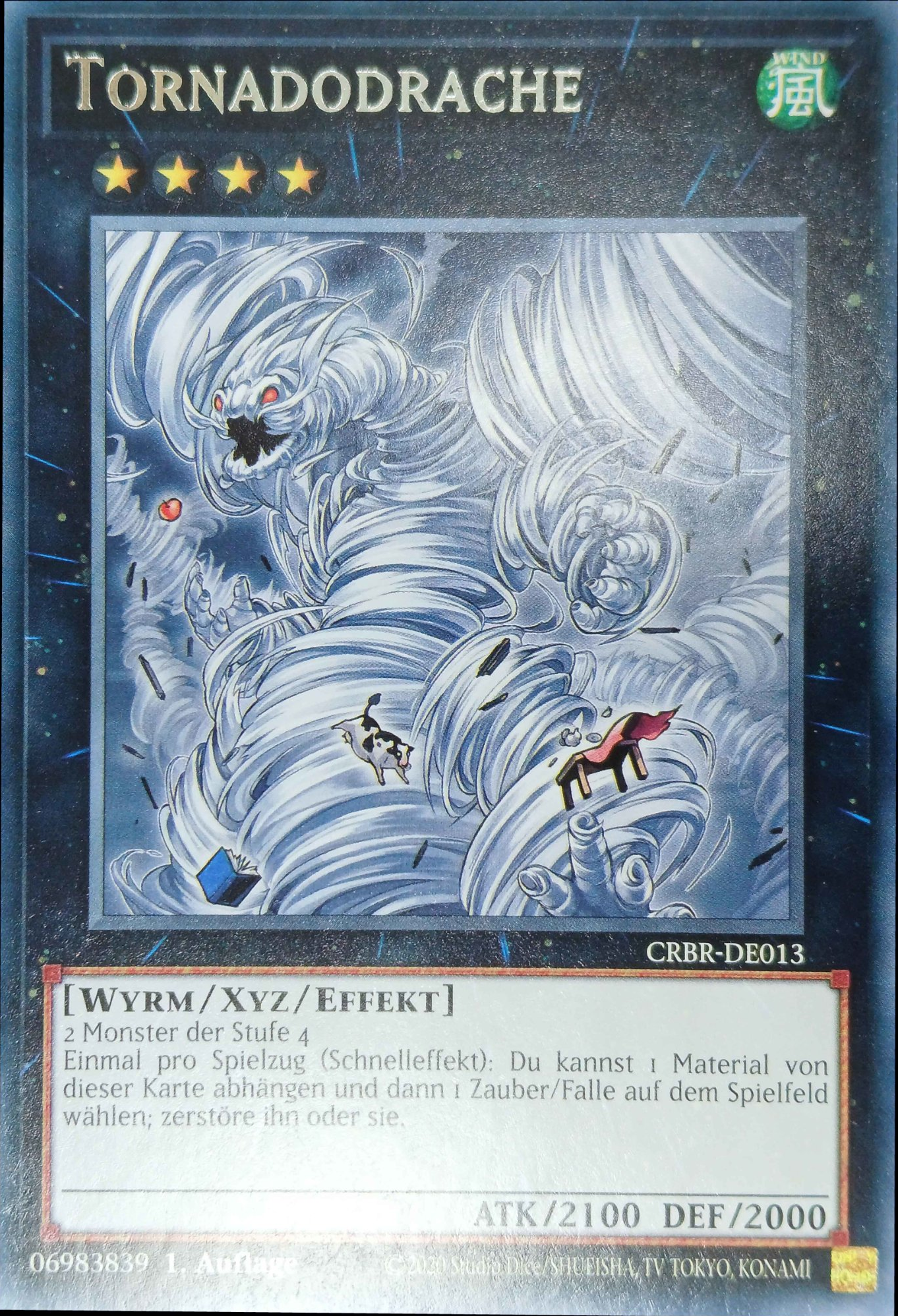
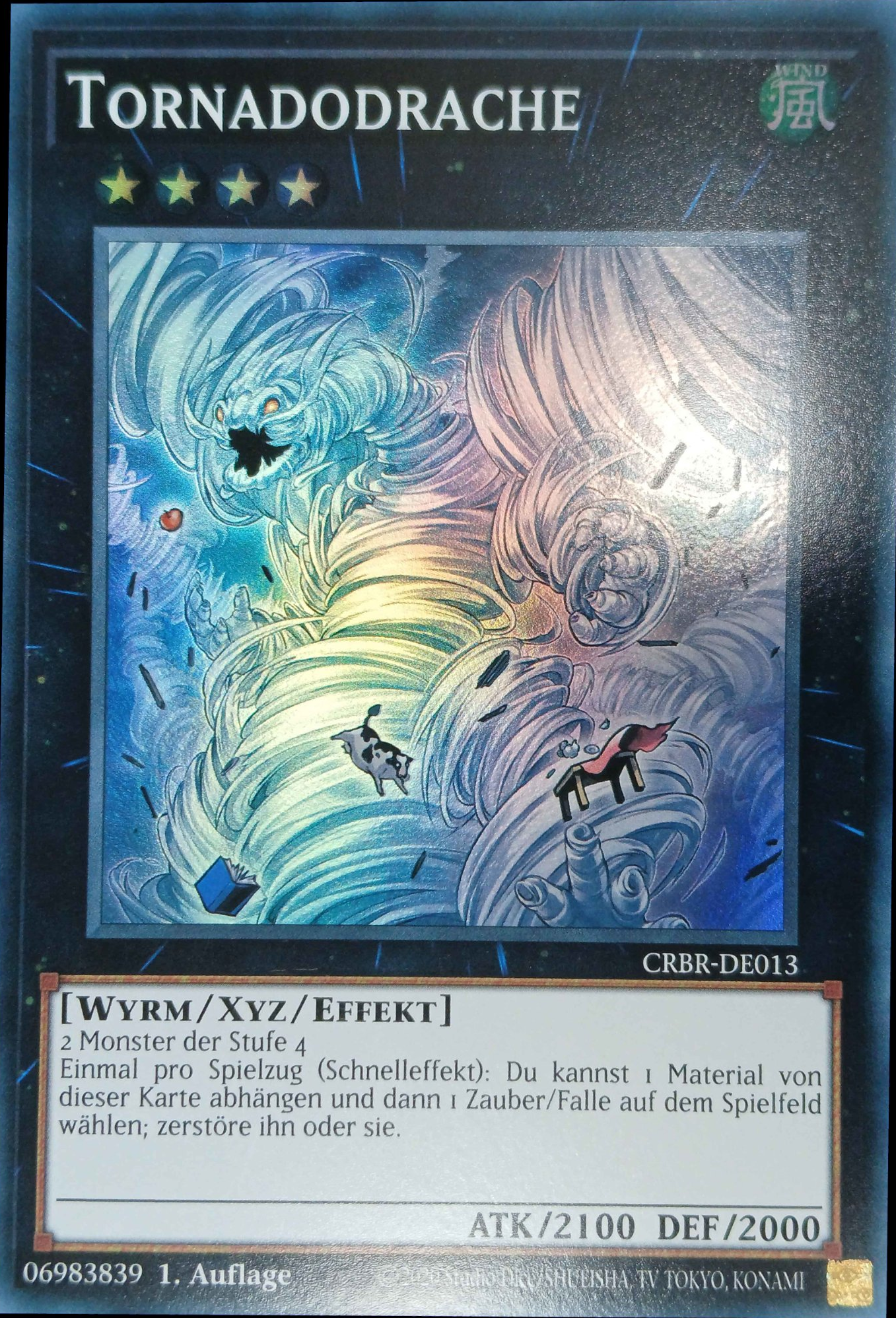
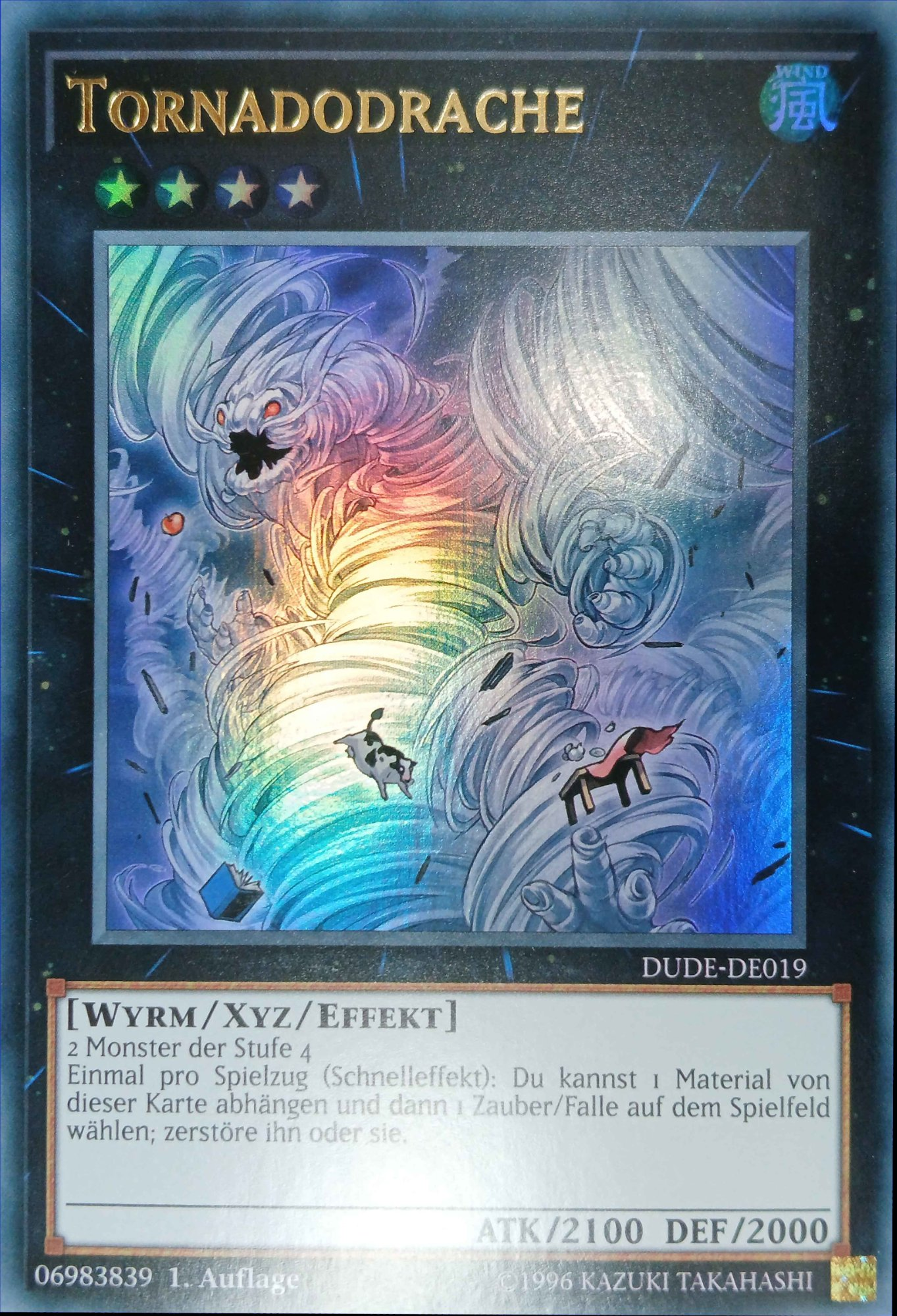
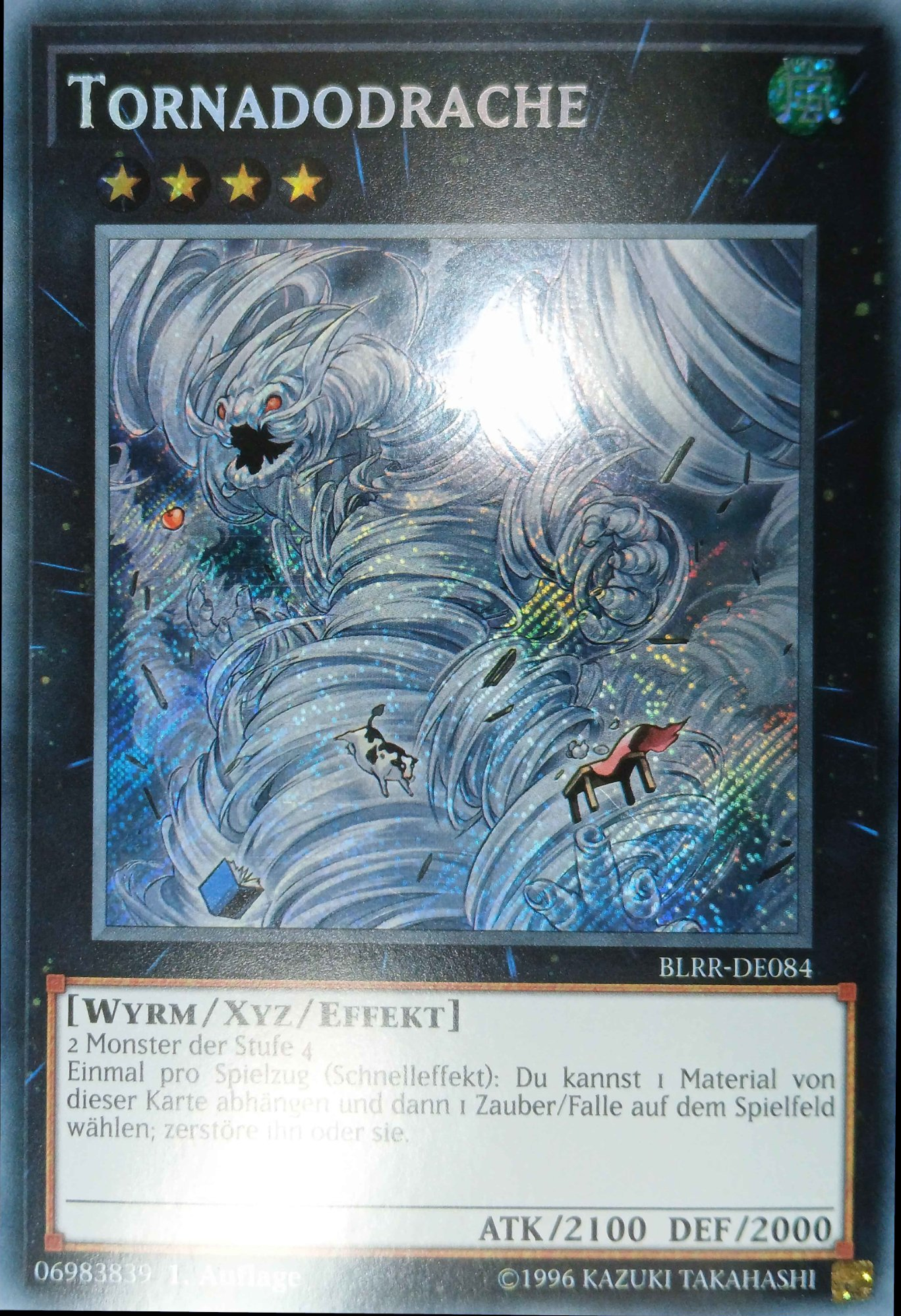
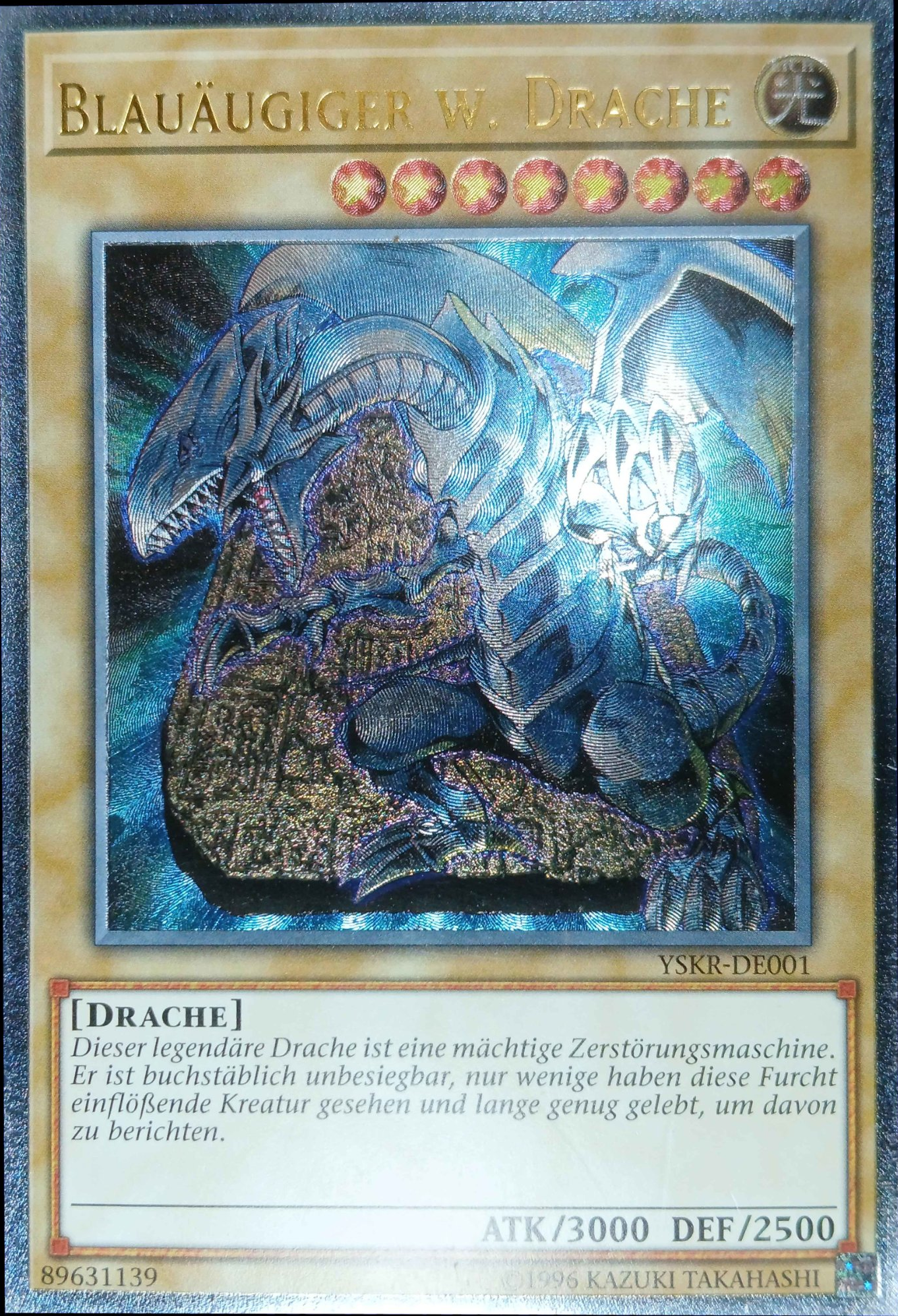
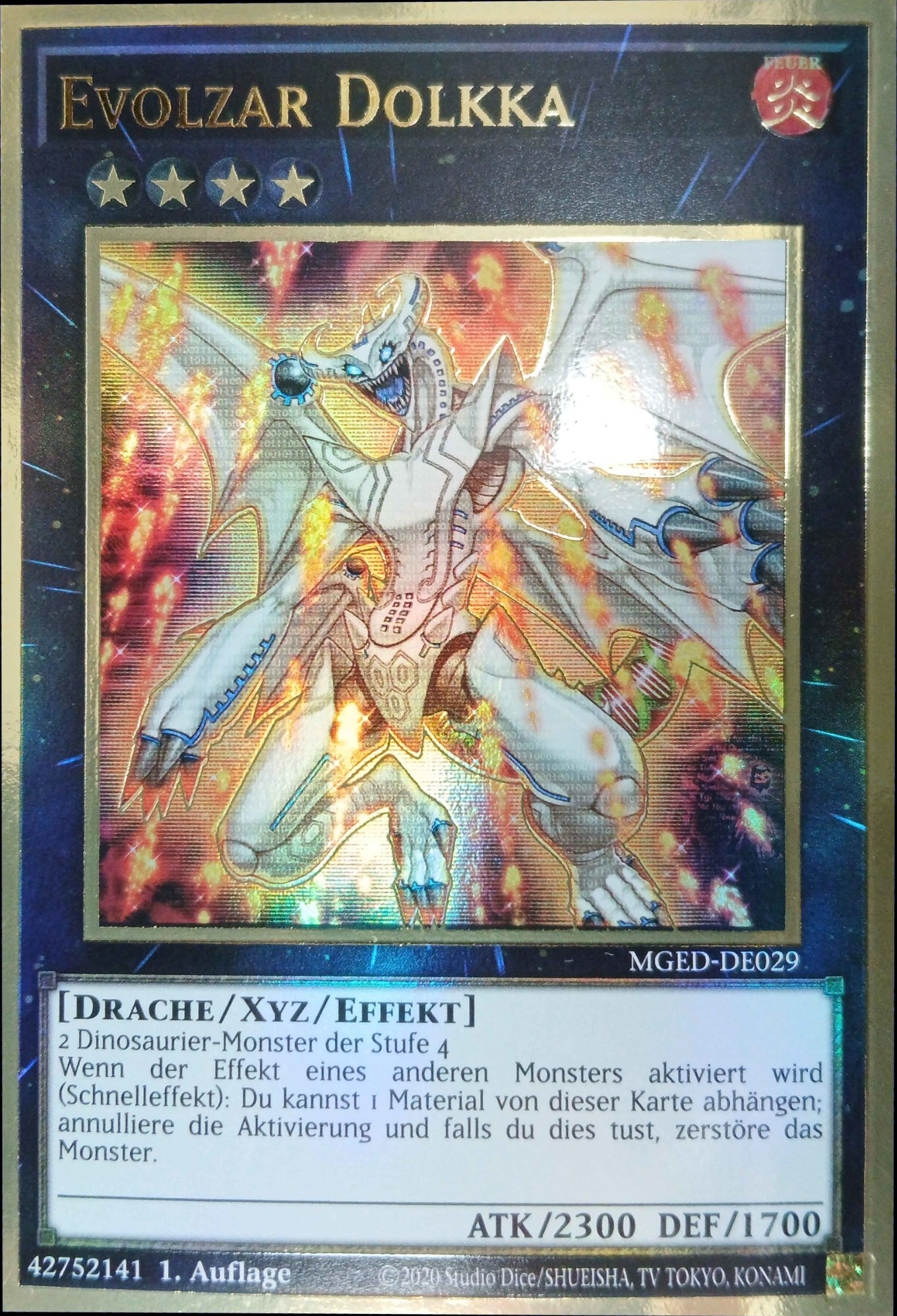
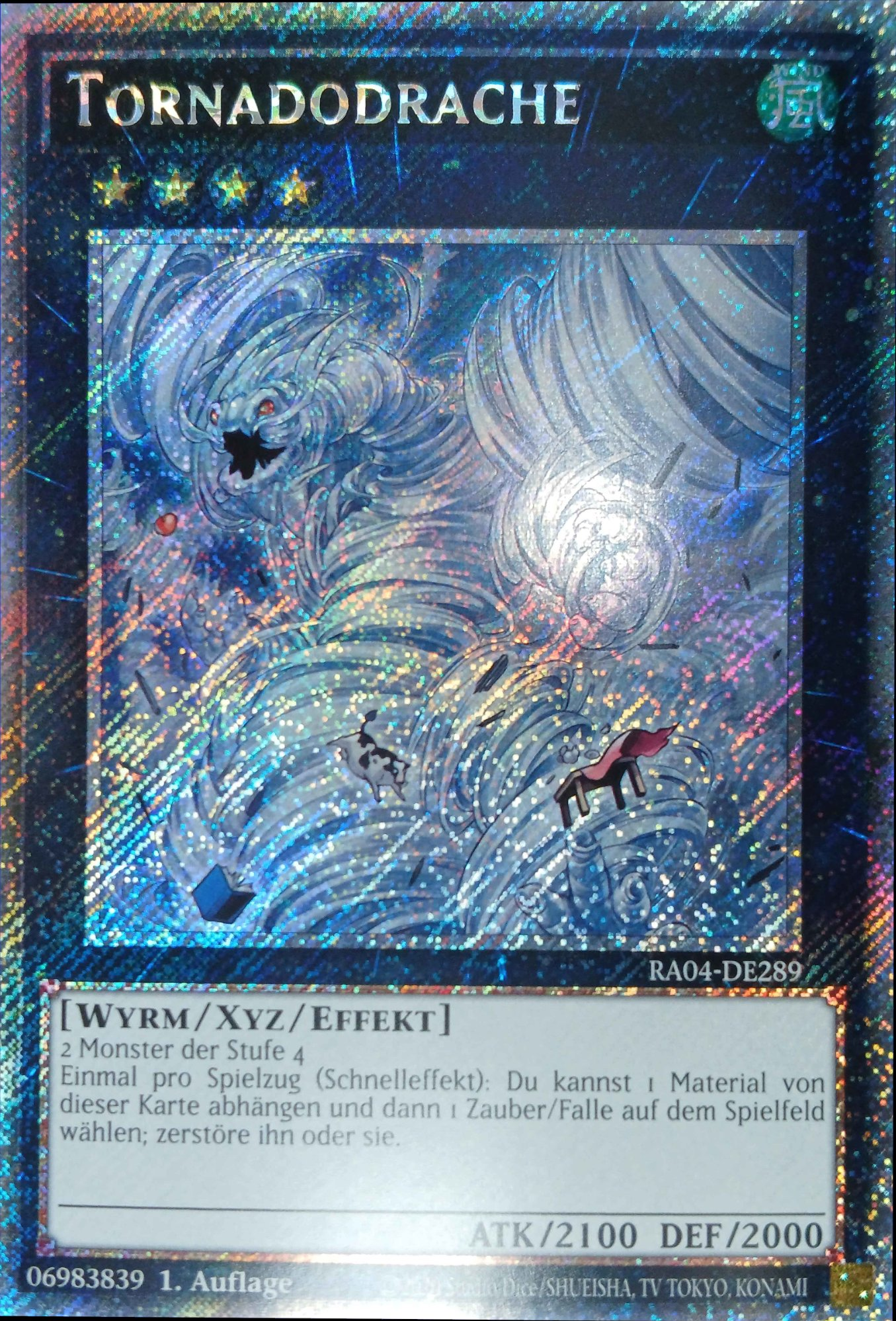
Platinum, Starlight and Quarter Century Secret Rare
These three rare premium variants look similar at first glance but can be told apart easily:
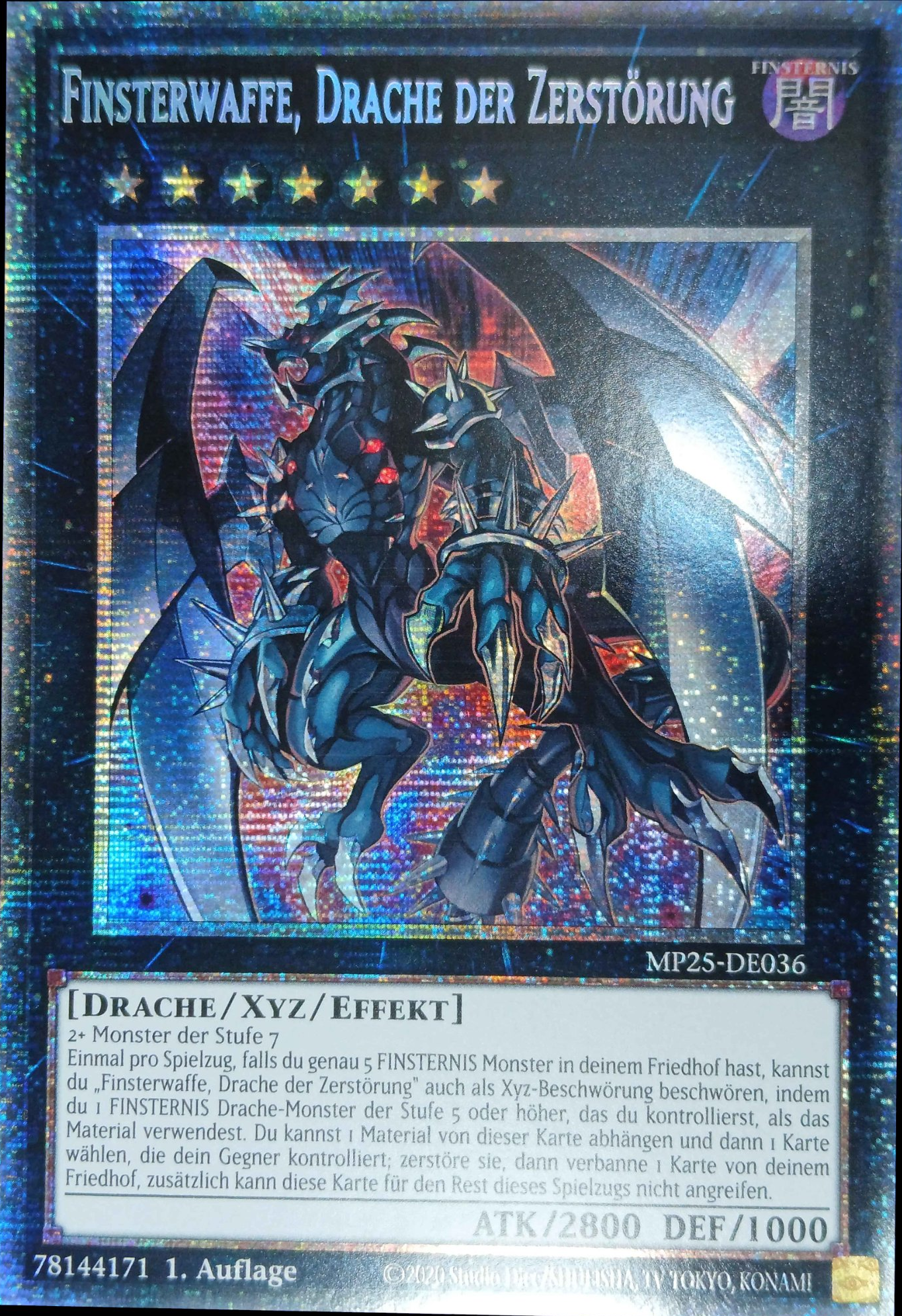
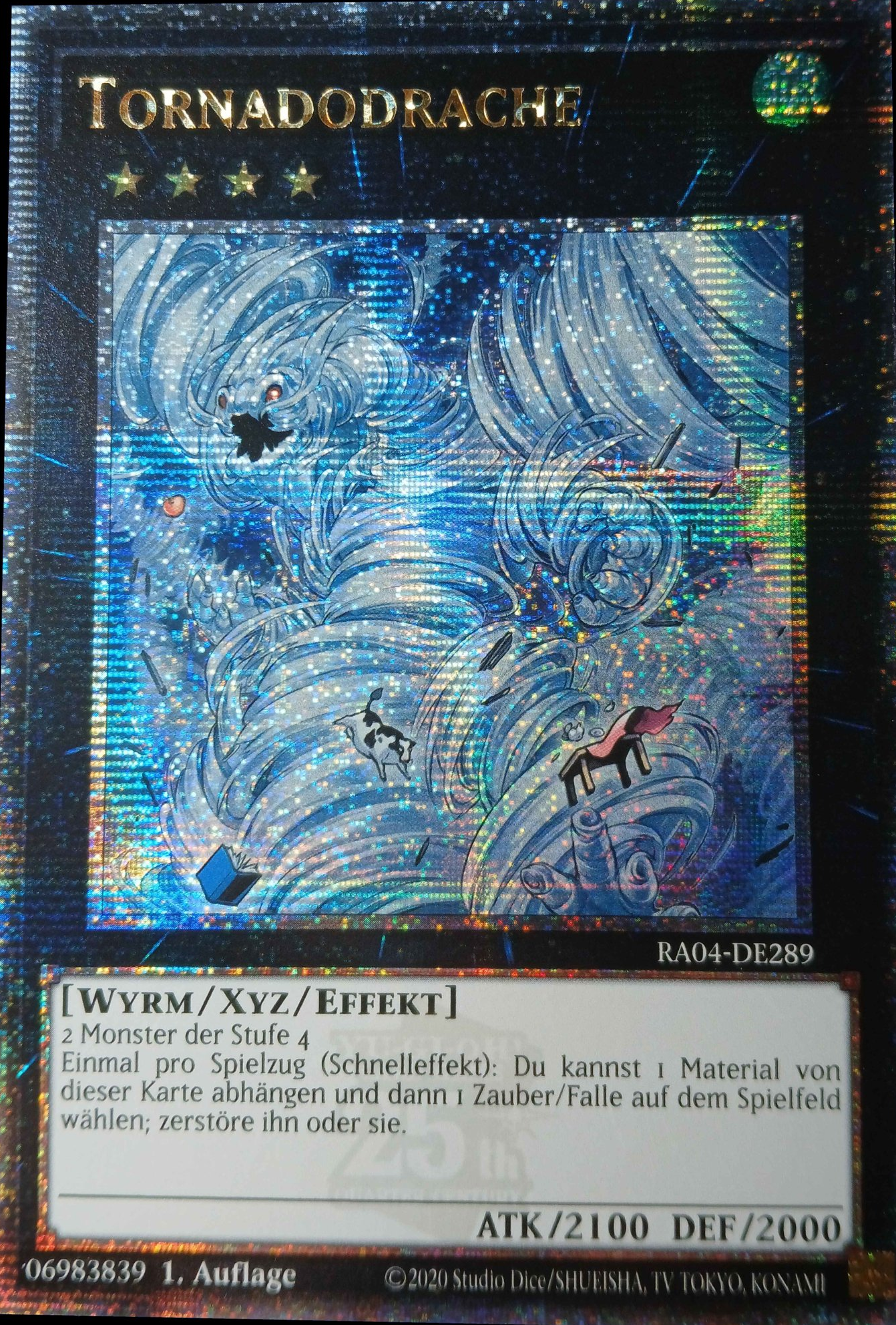
Identifying set and number
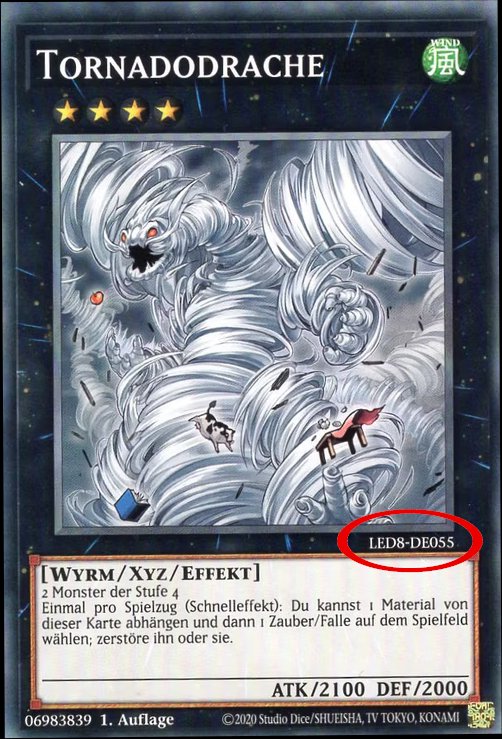
Every Yu-Gi-Oh! card has a set number below the image on the right (e.g. LED8-DE055). It consists of the set code (here: LED8 = Legendary Duelists: Synchro Storm), the language code (DE = German, EN = English) and the card number.
You can enter this code directly into the Cardmarket search to reach the right product page. Be careful though: some cards exist in several versions. In that case, check the rarity and the product image to select the correct version.
Identifying First Edition
Yu-Gi-Oh! cards can carry the print "1st Edition" (or "1. Auflage" in German) on the left side of the card, either above or below the card text (depending on the card's age). This exists in almost all sets.
Identifying Magic: The Gathering cards
Seltenheiten
Magic cards show their rarity through the colour of the set symbol (below the card image on the right):
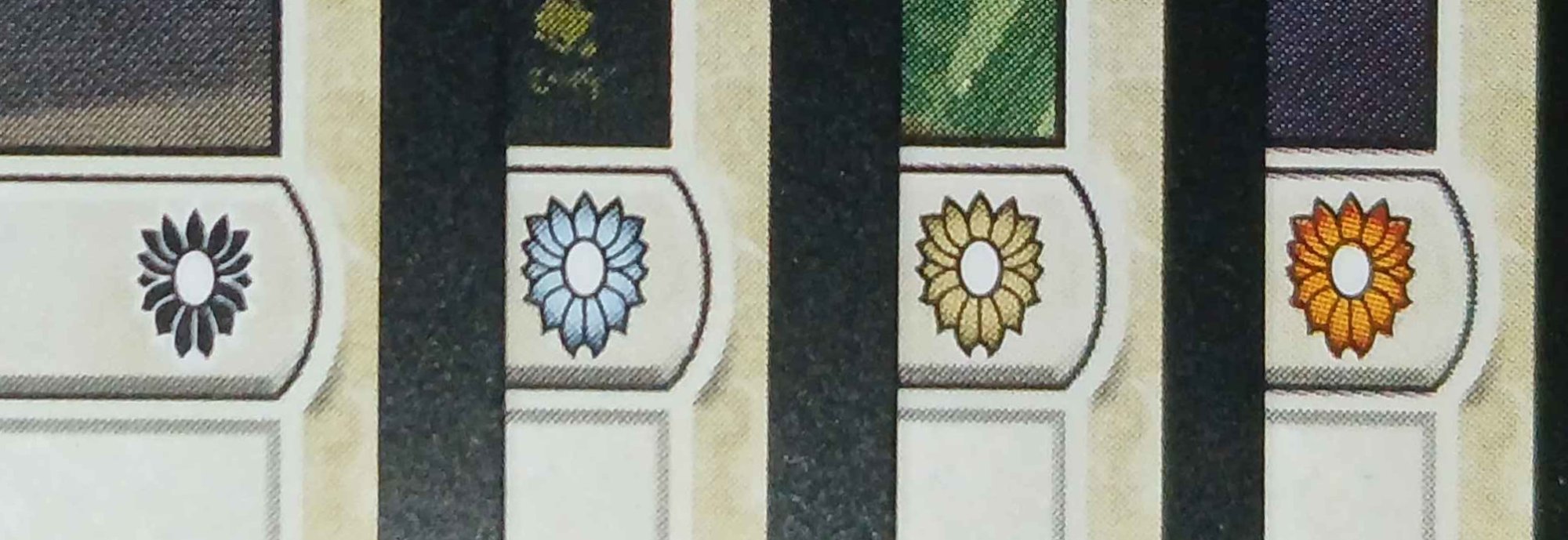
Set symbols: Common (black), Uncommon (silver), Rare (gold), Mythic Rare (red-orange)
In addition there are foil versions (holographically shiny cards), which occur in every rarity and are usually worth a little more than the normal version.
Special card variants
For Magic, besides the normal version of many cards there are also special variants with different artwork or frame design. You can recognise them by the card looking clearly different from usual, for example through a missing frame, extended artwork or a completely different card design. Such variants are often worth more than the standard version. When looking them up on Cardmarket, make sure to select the right version.
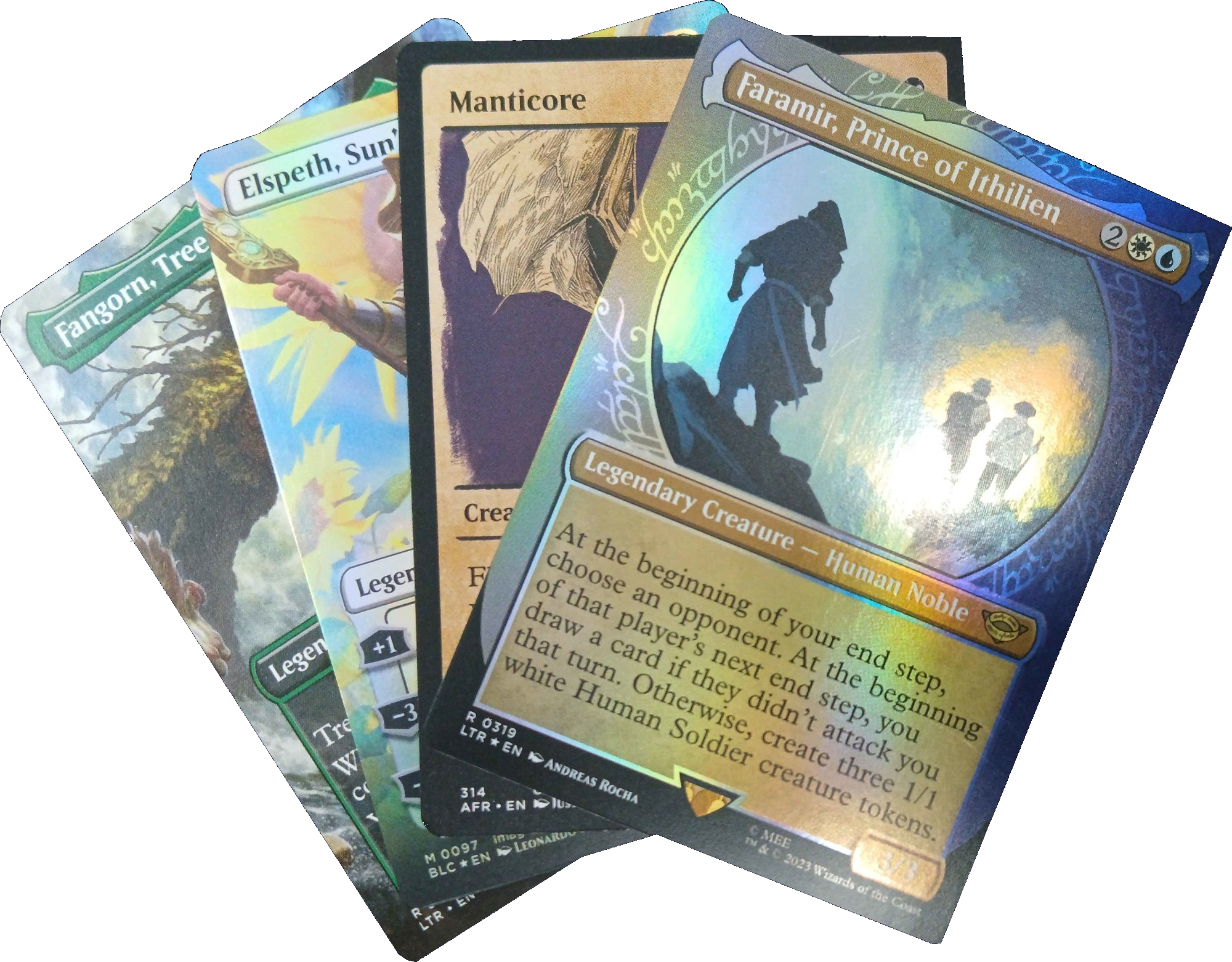
Examples of special card variants in Magic
Identifying the set
The set symbol is located below the card image on the right. On Cardmarket.com you can search for the card name and identify the matching set by its symbol.
At the bottom edge of the card you'll also find the collector number (e.g. 142/280). For newer sets there is also a three-letter set code there.